
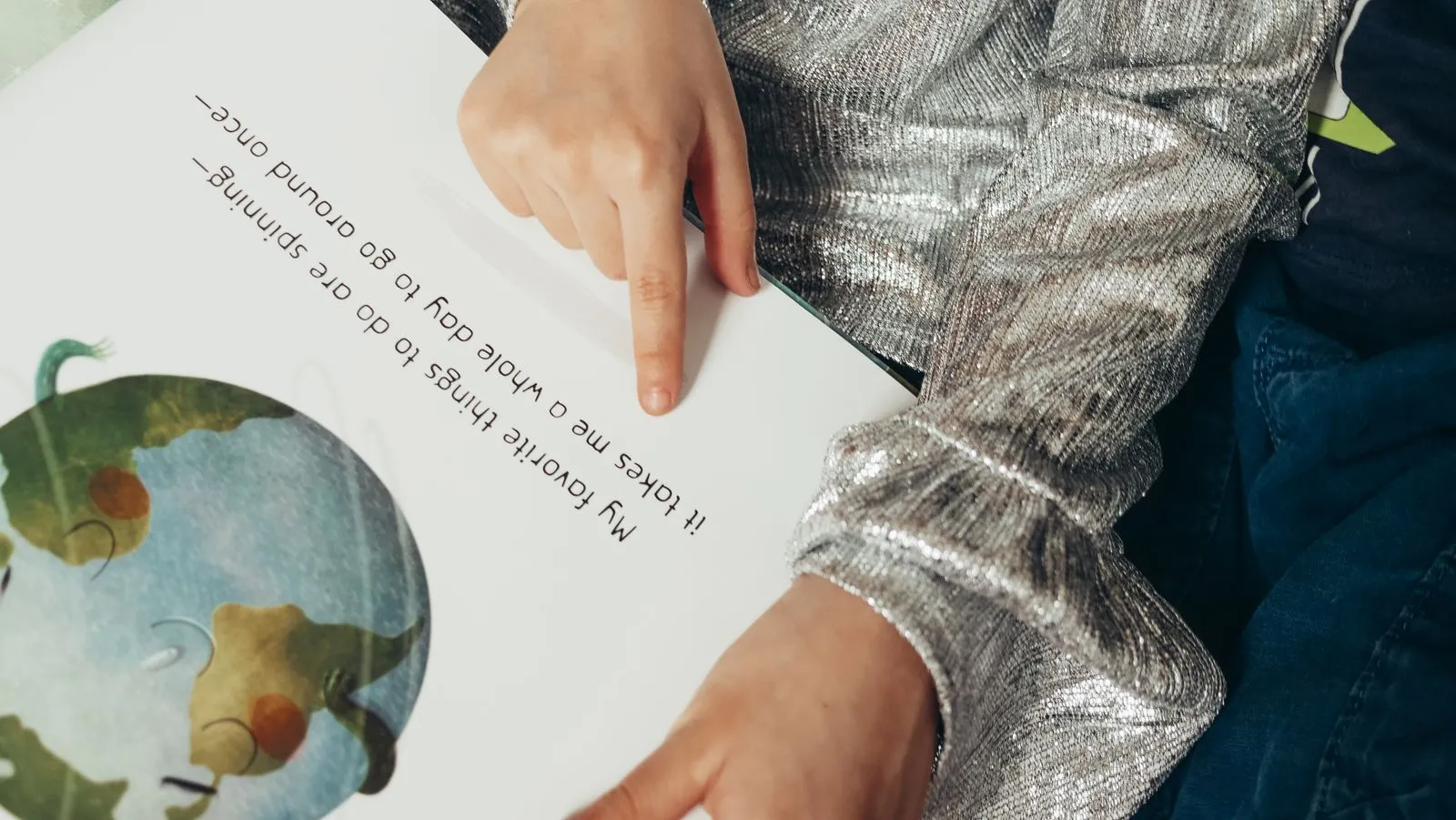
Finding the right book for a young reader is less about choosing the most advanced title and more about finding a comfortable, inviting match. A book that feels manageable can build confidence, while a story tied to a child’s interests can keep them turning pages. Consider reading ability, subject matter, and format together. With a little observation and a few thoughtful questions, you can choose books that make reading feel rewarding rather than like another assignment.
Match the Reading Level
Age labels and grade levels offer a starting point, but they do not tell the whole story. Children develop reading skills at different rates, and a familiar topic or larger print may make a book easier to enjoy. Browse a few pages together. If the child can read most words smoothly and explain what is happening, the book may be a comfortable independent choice.
Pay attention to the experience, not just accuracy. A book can be a good fit even if it includes a handful of new words, especially when the child can use context or illustrations to understand them. If they struggle with many sentences or lose track of the story, try an easier title or read it aloud together. Keep challenging books available without making them a test.
Start With Their Interests
A child who loves animals might enjoy realistic stories, funny picture books, or nonfiction about wildlife. Other useful starting points include sports, mysteries, fantasy, art, cooking, and everyday experiences such as starting school. Ask what they like watching, doing, or talking about, then look for books that connect to those interests.
Let the reader have a say. Offer a small selection with different subjects and styles, and allow them to sample the first page or look through the illustrations. Children may choose a book you would not have picked, and that is part of the point: personal choice can make reading feel more welcoming. Series books can also help readers return to characters and settings they already enjoy.
Choose a Comfortable Format
The format can make a real difference. Picture books pair words with images, while early readers often use short sentences, repetition, and clear layouts. Graphic novels combine dialogue and visual storytelling; chapter books offer longer stretches of text. For a child who is ready to listen but not yet read independently, a read-aloud or audiobook can provide access to richer stories.
Consider where and how the book will be used. A sturdy, lightweight book may work well for a young child to carry, while a large illustrated title can be better for shared reading at home. E-books and audiobooks suit some families, but check that the child can focus comfortably with the device or audio. There is no need to choose only one format; mixing them keeps options open.
Make Room to Change Course
A book that seemed promising may not hold a child’s attention, and that does not mean the choice failed. Ask what they liked or found difficult, then use the answer to guide the next pick. They may prefer shorter chapters, more humor, fewer illustrations, or a different topic. Letting a child set a book aside can help preserve a positive connection with reading.
Notice small signs of engagement: asking to read another chapter, talking about a character, or returning to a favorite page. These clues can help you choose again. A mix of easy favorites, interesting new subjects, and occasional stretch reads gives young readers both comfort and discovery.
The best book for a young reader is one that fits their current skills, captures their curiosity, and feels comfortable in its format. Offer choices, sample a few pages, and adjust as their interests and confidence grow. For a personal recommendation, visit Lake & Letter and share what the reader enjoys.